“MEDEZE” Ready to Move Forward in Line with Government Policy, Driving Advanced Medical Products Across All Dimensions

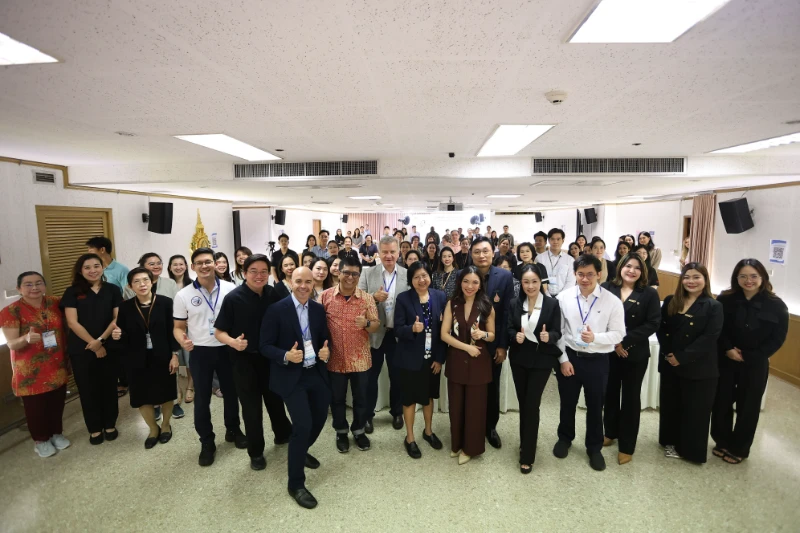
The Ministry of Public Health, together with relevant medical agencies, recently organized the “Thailand ATMP Roadmap 2025” conference under the theme “Fast Track to Access & Innovation: Fastest in ASEAN.”
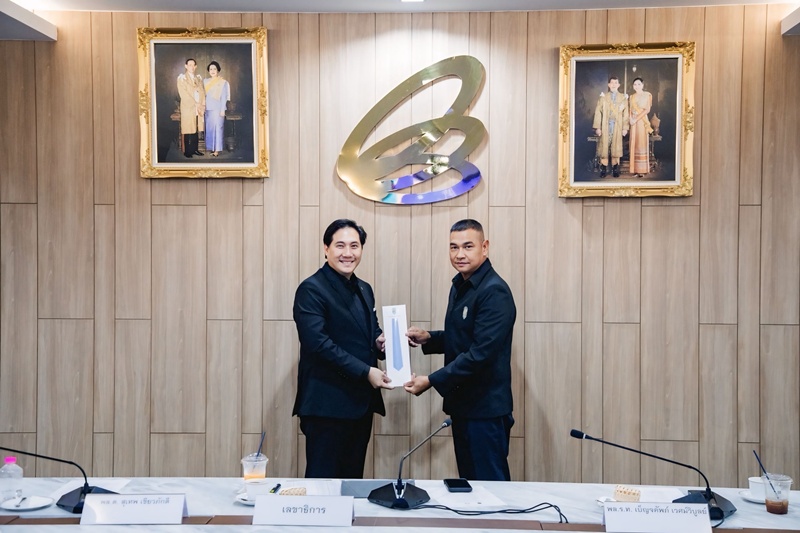
Mr. Phadthana Phromphat, Minister of Public Health, presided over the opening ceremony and stated that the Ministry has set a clear objective to lay a strong foundation for Thailand’s public health system—one that does not become a burden on the national budget, but instead transforms healthcare into a valuable national asset that safeguards the health of Thai people.
This vision goes beyond positioning healthcare merely as a revenue-generating industry or an economic driver. Rather, it aims to elevate Thailand toward sustainable public health security, strengthening the country’s long-term resilience and well-being.
The Ministry also emphasized the importance of integrating collaboration across all sectors to establish a comprehensive roadmap that accelerates the development of Advanced Therapy Medicinal Products (ATMPs). This includes building a complete ecosystem—from research and clinical trials to real-world application—within a clearly defined timeframe. Such integration will expand opportunities for both the public and private sectors to jointly develop high-impact therapies that deliver effective treatment outcomes.
A key priority is the establishment of standardized research processes that foster innovation and ensure broad, equitable access to ATMPs at reasonable costs. Most importantly, Thailand aims to transition from being primarily a consumer of medicines and medical products to becoming a producer and innovator—capable of conducting research, manufacturing, and delivering high-quality, safe, and accessible advanced medical innovations.
Dr. Somruek Jeungsaman, Permanent Secretary of the Ministry of Public Health, added that the Ministry’s policies align with the national strategy to advance the Health Economy and enhance Thailand’s global competitiveness. Particular emphasis is placed on the development of ATMPs, which represent advanced therapeutic innovations designed to improve patient outcomes while strengthening national health security.
Through integrated collaboration among all relevant public and private stakeholders, Thailand is well positioned to become a regional ATMP hub in ASEAN. Regulatory, approval, research, and product registration processes are being reformed under the “Fastest in ASEAN” framework—prioritizing efficiency and speed while maintaining strict safety standards, enabling a seamless transition from research to real-world clinical application.
In addition, the establishment of dedicated ATMP manufacturing organizations will serve as platforms for research collaboration and business matchmaking among global innovators, leading pharmaceutical companies, top-tier hospital networks, and private-sector partners. These initiatives aim to attract investment, facilitate technology transfer, and strengthen Thailand’s advanced medical industry.
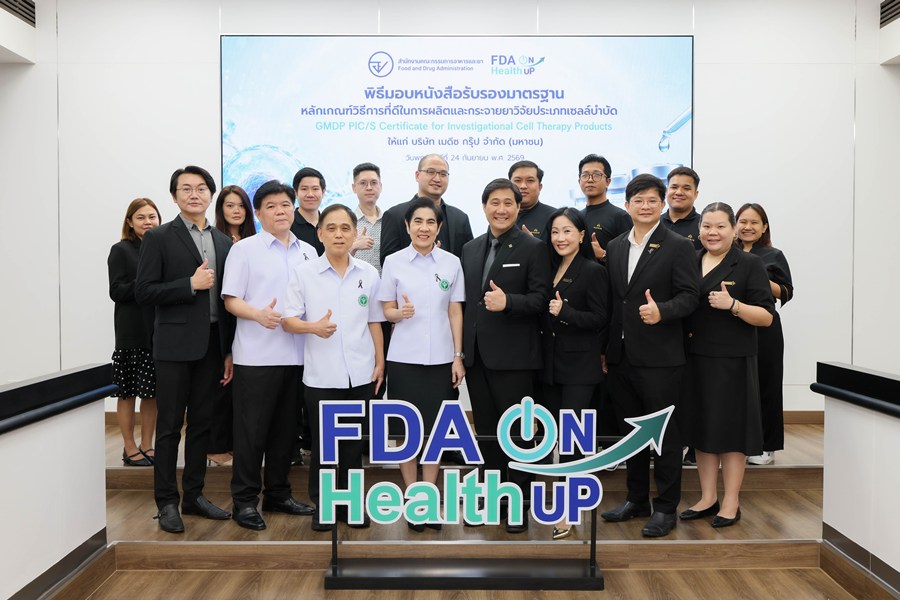
Meanwhile, Ms. Morakot Prapatsiripan, Senior Pharmacist (Drug Division) of the Thai Food and Drug Administration (FDA), highlighted the FDA’s role in protecting public health while promoting the Health Economy. The FDA is actively accelerating the development of ATMPs—including cell, gene, tissue, and other advanced therapies. Currently, four ATMP research projects have received FDA approval, with 11 ATMP manufacturing facilities licensed and two additional facilities certified under Good Manufacturing Practice (GMP) standards—representing significant progress for the sector.
Thailand’s research readiness surpasses that of many ASEAN countries, and ATMPs are set to transform medical treatment paradigms—from symptom-based or palliative care to therapies that address the root causes of disease, particularly complex and hard-to-treat conditions such as genetic disorders.
Crucially, the FDA is expediting the registration of medical products derived from research for real-world use by streamlining redundant procedures while maintaining robust safety standards through risk-based regulation. This approach is central to stimulating ATMP research and accelerating approvals in line with international standards, thereby elevating Thailand’s ATMP capabilities to a global level.
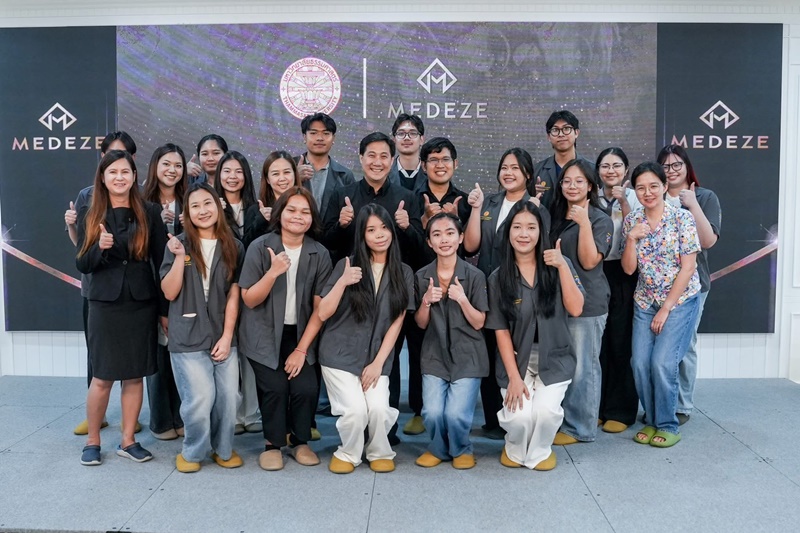
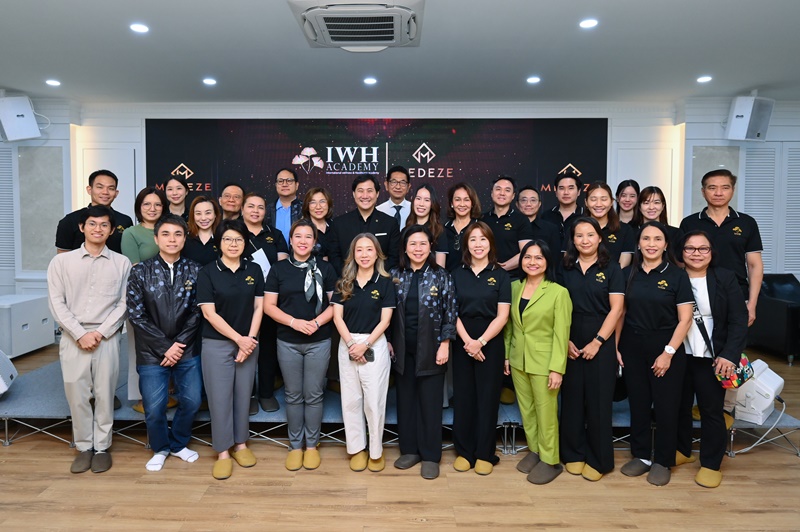
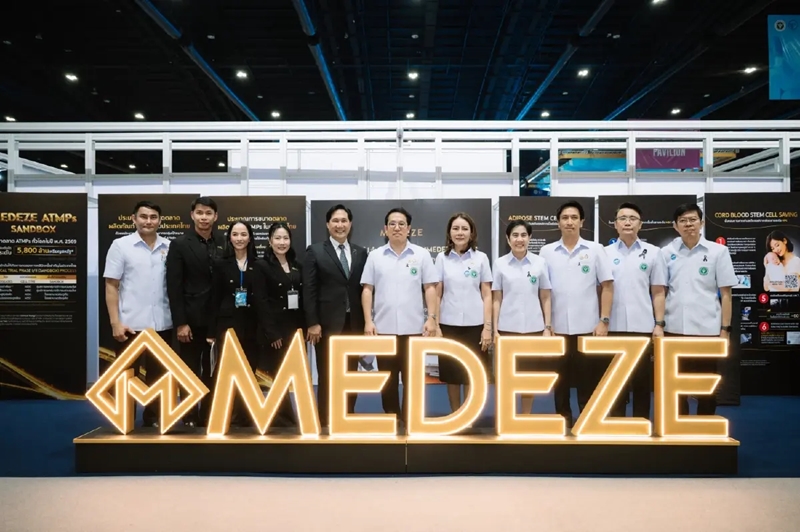
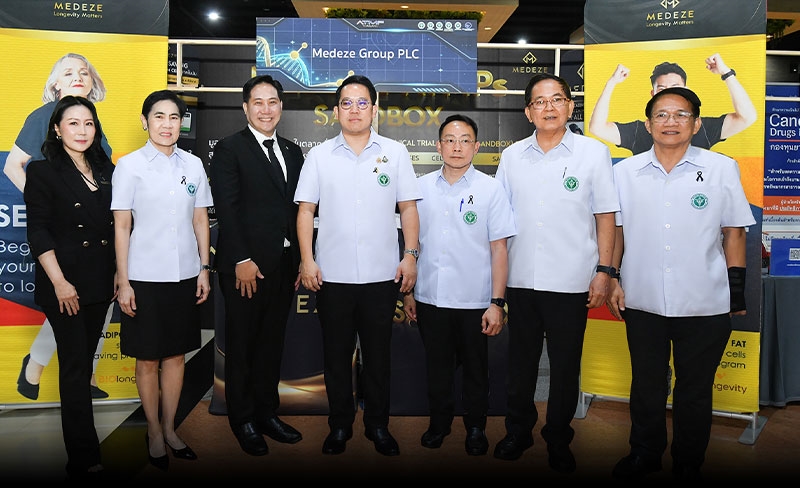
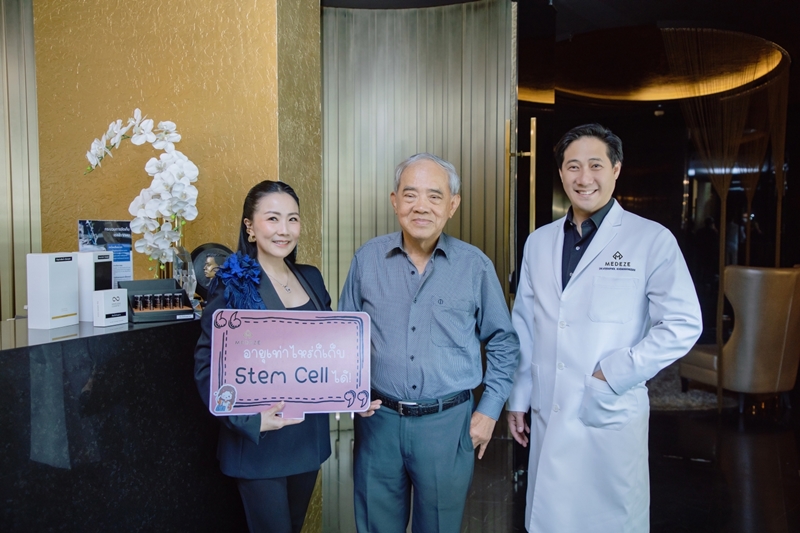
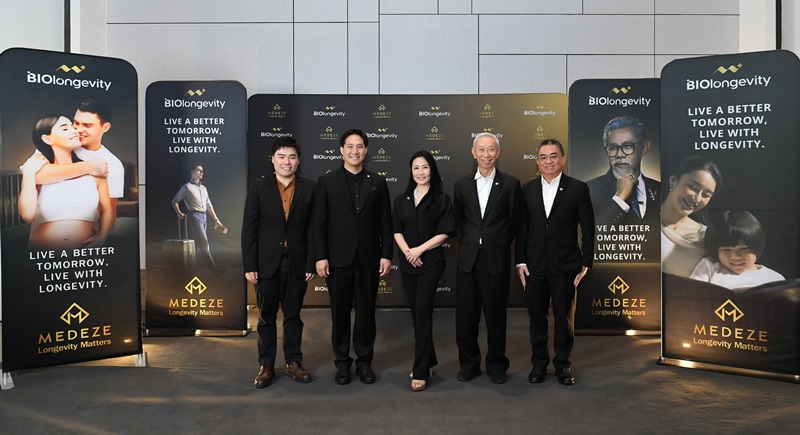
Dr. Veerapol Khemarangsan, Chief Executive Officer of Medeze Group Public Company Limited, or MEDEZE, stated that government support for ATMPs represents a critical catalyst for advancing Thailand’s high-value medical industry. Such policies elevate domestic research to international standards and expand opportunities for public–private collaboration in developing advanced medical products, ultimately enabling Thai patients to access high-potential treatments.
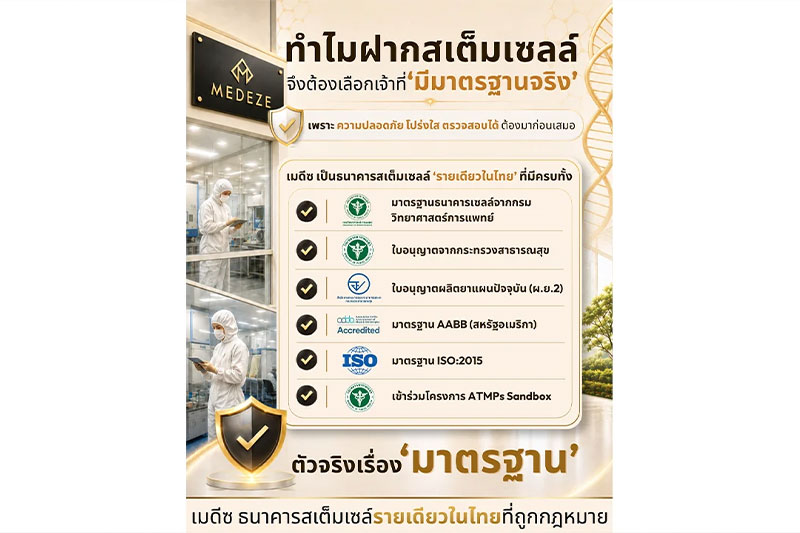
As one of Thailand’s leading companies in advanced medical products—particularly in stem cell-based therapies—MEDEZE, with its extensive experience and internationally recognized certifications, is fully prepared to advance ATMP research and development in alignment with government policy and support, playing a key role in delivering innovative medical solutions for Thai society.
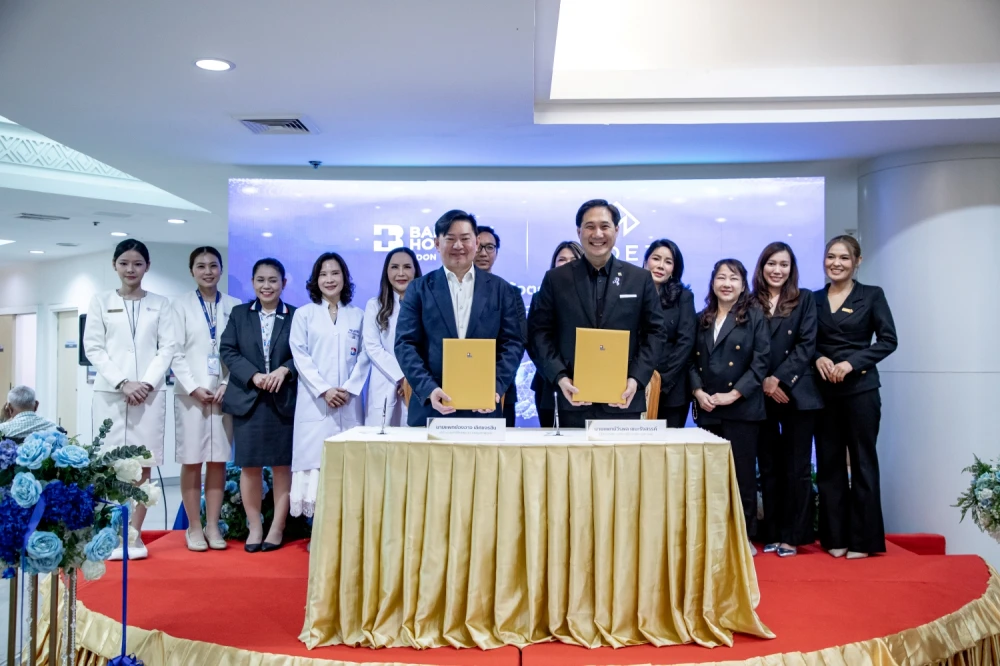
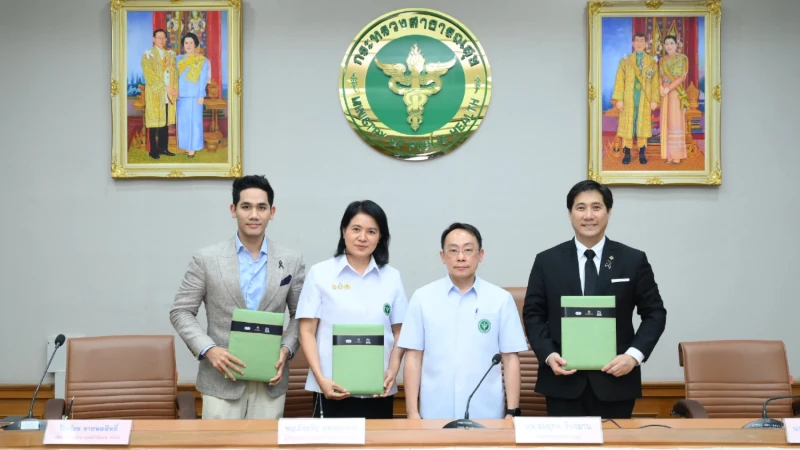
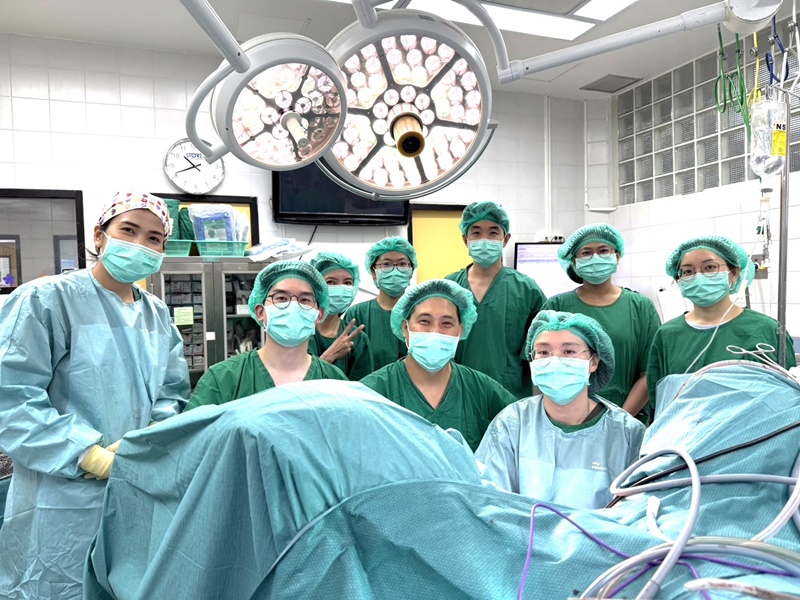
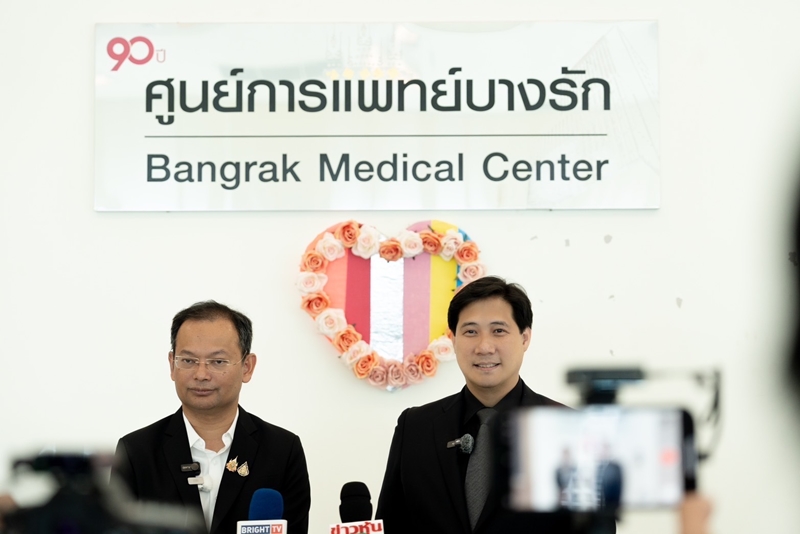
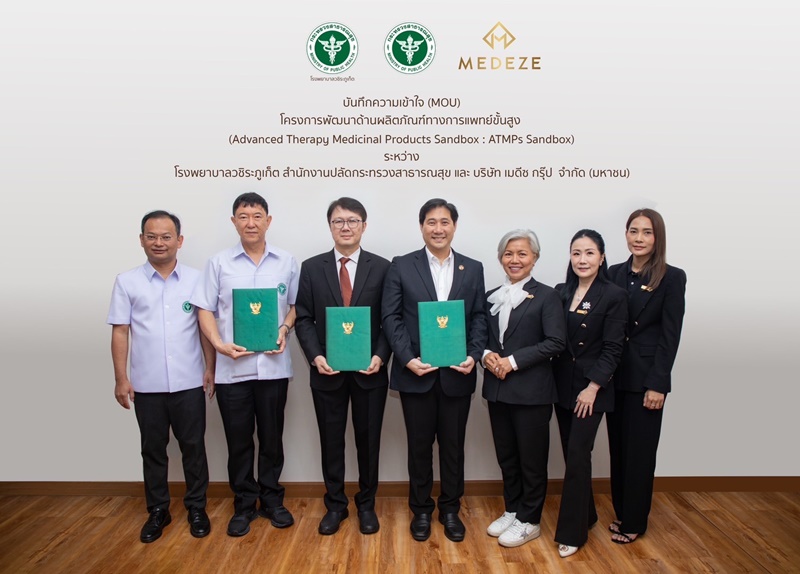
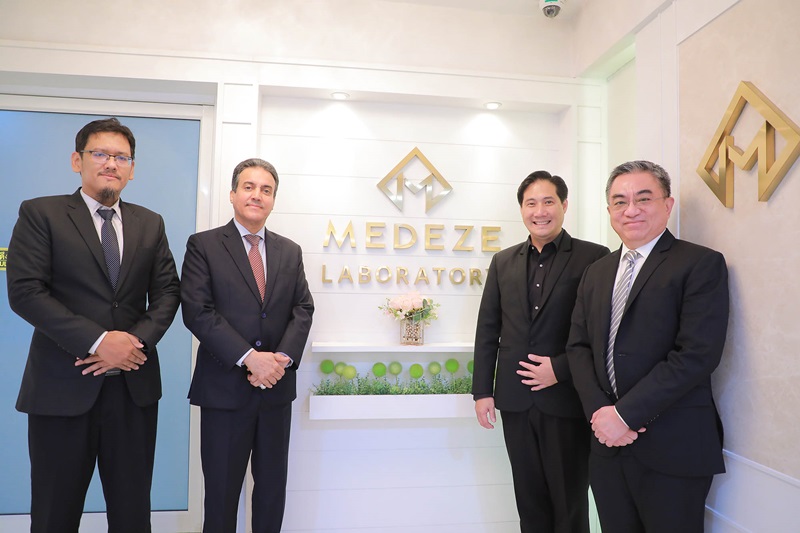
At present, MEDEZE is the only private company approved to participate in the ATMP Sandbox Program, covering pilot research in four disease areas: osteoarthritis; anti-aging medicine in collaboration with Bang Rak Medical Center under the Department of Disease Control; skin regeneration; and degenerative disc disease in collaboration with Vachira Phuket Hospital. Under signed memoranda of understanding with public-sector partners, MEDEZE provides laboratory facilities, manufacturing sites, therapeutic products, and research funding.
Over the past year, medical agencies across Thailand have played critical roles in driving the advanced medical industry. The Department of Medical Services has served as a key mechanism in translating innovation into clinical research and real-world application, establishing clinical standards for ATMP use, preparing healthcare systems, and developing medical personnel capabilities to support ATMP therapies.
Concrete progress has been achieved through the establishment of Clinical Trial Centers at leading hospitals, including Rajavithi Hospital, Queen Sirikit National Institute of Child Health, and the National Cancer Institute. Ongoing research projects include CAR-T cell therapy for lymphoma, CIK cell therapy for lung and breast cancer, dendritic cell therapy for melanoma, prostate cancer, and brain tumors, as well as mesenchymal stem cell therapy for radiation-induced dry mouth. These initiatives reflect strong collaboration with leading academic and research institutions to elevate Thailand’s public health system.
Looking ahead, future development will focus on expanding ATMP Clinical Trial Centers across capable hospitals under the Department of Medical Services, working with professional councils and academic institutions to establish clinical standards, enhance workforce readiness, and foster public–private collaboration in ATMP product development.
The Department of Disease Control, through Raj Prachasamasai Institute, is also advancing innovation sandbox areas and managing research ethics infrastructure. Key achievements include partnerships with private-sector organizations and the development of Bang Rak Medical Center (Floors 11 and 13) into GMP-certified clinics, manufacturing facilities, and the location of the Ministry’s Ethics Committee for ATMP project evaluation.
Future plans aim to elevate Bang Rak Medical Center into a national center of excellence for advanced medical products, supporting Thailand’s ambition to become a medical hub capable of producing high-quality ATMP research and innovation.
In parallel, the Department of Medical Sciences contributes to national strategy through five core missions: regulatory standardization, ATMP research and manufacturing, clinical research, ATMP training centers, and market development and technology transfer. Key achievements include certification standards for cell banks, expanded ATMP product standards, development and production of DC, CIK, DC-CIK, NK, and MSC therapies, and licensing of GMP-compliant manufacturing facilities to support cell therapy production.
Future directions emphasize the establishment of an ATMP Innovation Training Center, submission of Investigational New Drug (IND) applications for clinical trials, contract manufacturing of ATMPs, technology transfer partnerships, and the creation of a national ATMP production center to expand access to advanced treatments for Thai patients.
The Department of Health Service Support plays a vital role in regulating healthcare service standards and driving the Health Economy through regulatory enforcement and service standardization for medical cell therapies, thereby strengthening public confidence in healthcare systems.
Meanwhile, the Thai FDA continues to serve as a key regulator—protecting consumers while promoting innovation and international cooperation under the national ATMP strategy. Future priorities include accelerating ministerial regulations to classify products as drugs or non-drugs, and building a comprehensive ecosystem encompassing legal frameworks, sandbox mechanisms, and consumer protection to support sustainable ATMP development.
IR Press Releases